Foraging for Wild Garlic
THE FIRST TASTE OF SPRING
(and an Easy Pesto Recipe)
Life is Returning!
There is a moment every year when the woods begin to explode with life once again. Those vibrant greens push up through the soil, the air softens, and a very specific, savory aroma starts to drift across the forest floor. Spring has arrived, and for us foragers, the excitement begins with the infamous wild garlic season.
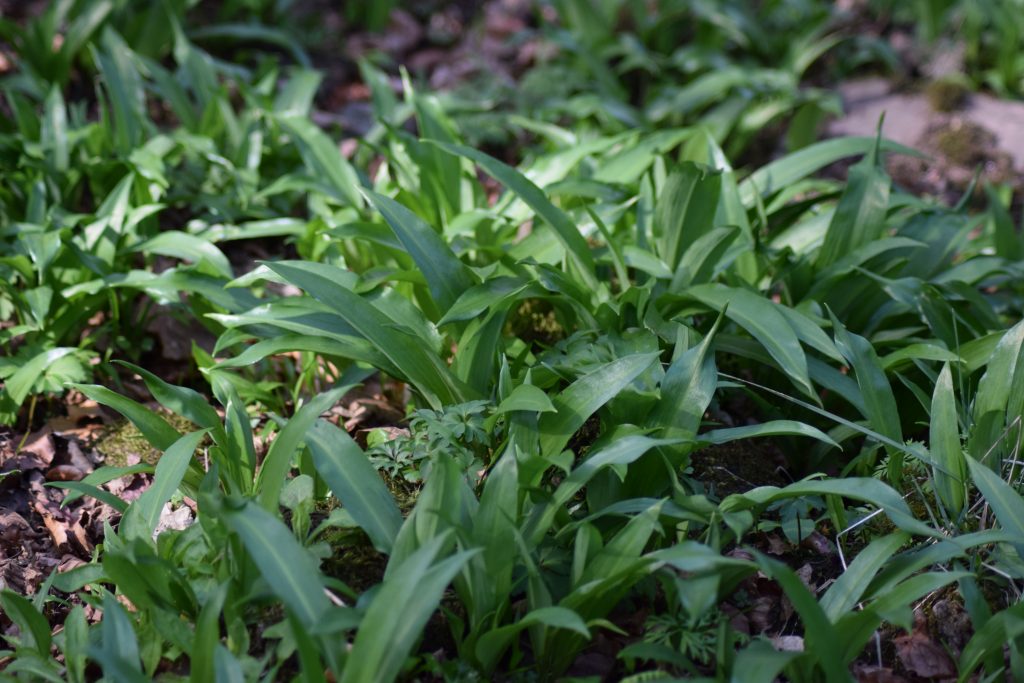
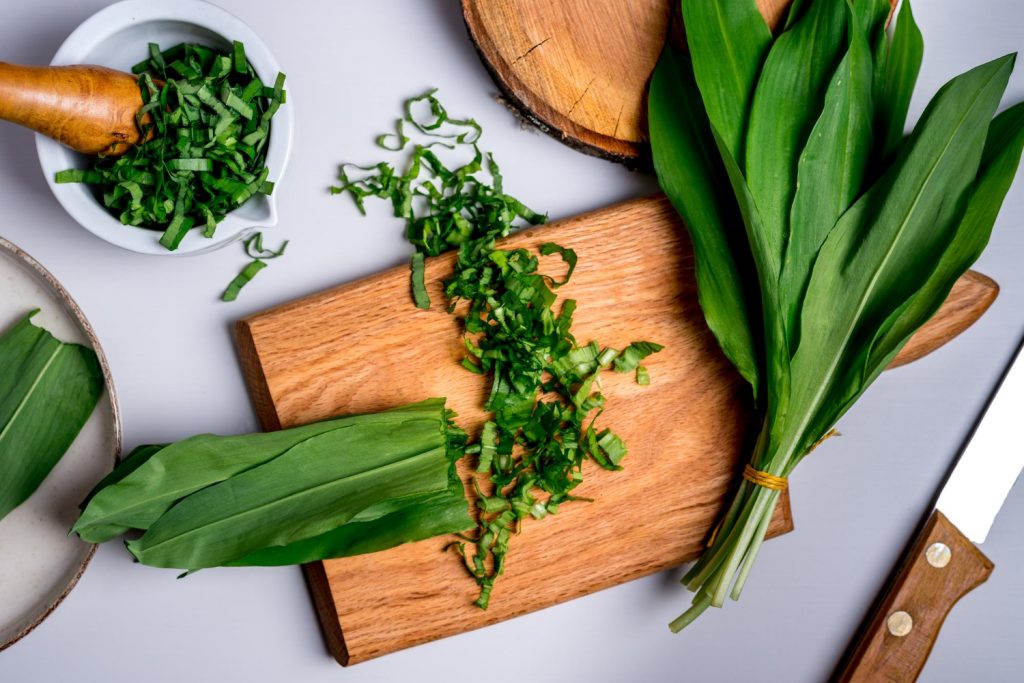
Wild garlic (also known as Ramsons, or if you want to get technical Allium ursinum) is such a wonderful plant to forage and the smell alone tells me that spring has arrived and the long winter is trailing off behind us. It’s one of the first abundant edible greens to emerge after the cold, dark months. Ramsons are here to offer a fresh, potent burst of vitality just when we need it most. It’s not just an ingredient; it’s a sensory experience that defines the woodland in early spring.
The Absolute Beginner’s Guide: Is Wild Garlic Safe to Forage?
This is one of the most common questions I get asked about foraging, and it’s the most important one.
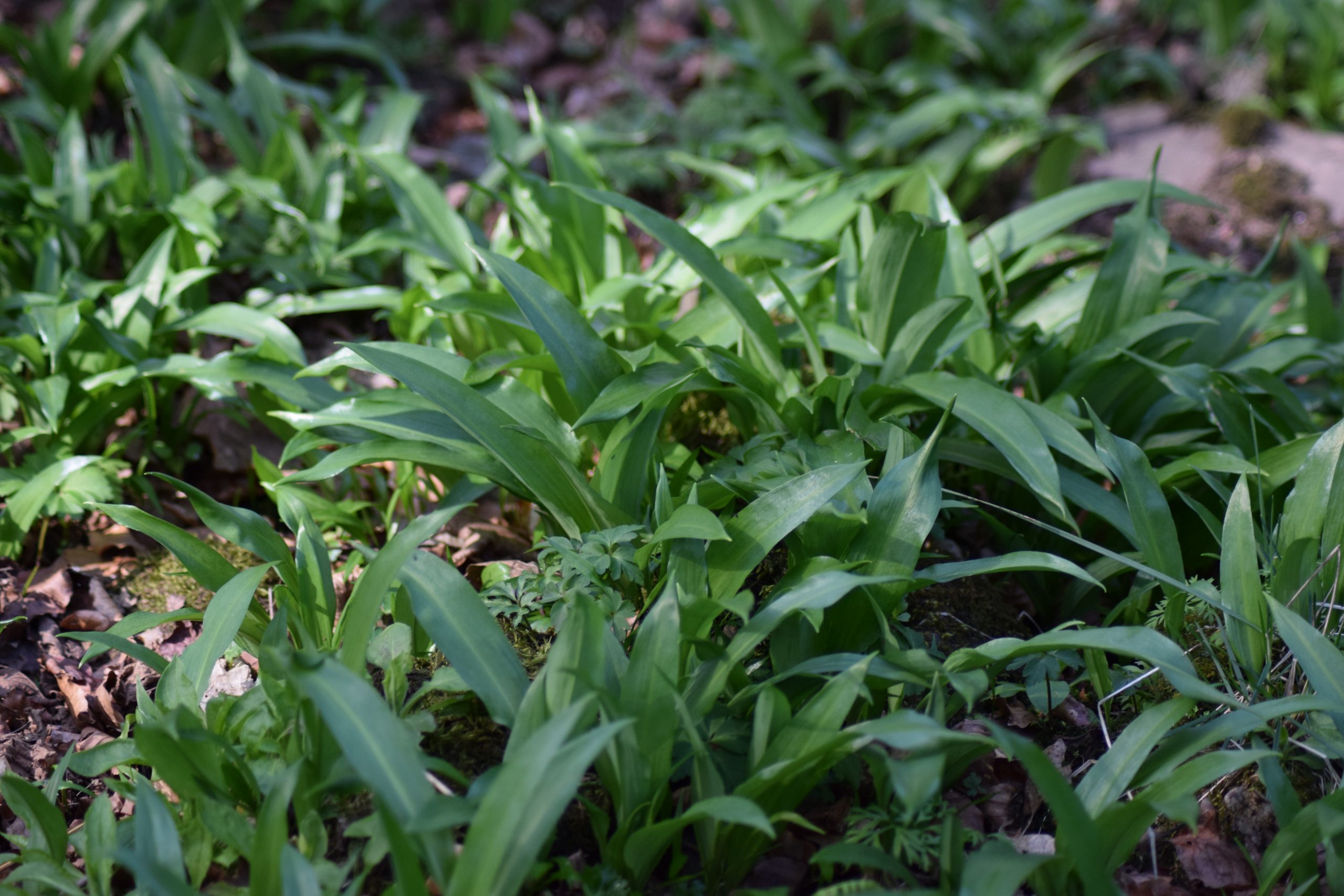
If you are new to the world of edible plants, wild garlic is a fantastic place to start. It is incredibly common and has one defining characteristic that almost guarantees safety: The Smell.
When you crush a leaf between your fingers, it must release a powerful, unmistakable smell of garlic. Some leaves are more potent than others but at the very least it will smell like spring onions with a garlicky undertone. If it doesn’t smell like garlic, do not eat it.
The Lookalikes: The main reason you must use the smell test is because young wild garlic leaves in particular can look like two toxic plants:
- Lily of the Valley: This plant lacks the garlic scent and has different flower structures (but we harvest the leaves before they flower so these aren’t a reliable way to tell). Fun fact: In Breaking Bad Season 4, Walter White uses Lily of the Valley to poison Brock Cantillo (the son of Jesse’s girlfriend, Andrea) in the Season finale!
- Lords and Ladies: The leaves are slightly more glossy and spear-shaped, but they sometimes grow intermingled with Ramsons patches, this is why we always pick wild garlic leaves one at a time. The wild garlic leaf will NEVER have lobes at the base of the leaf. A word of caution with with Lords and Ladies: crushing the leaves in your hands to try and find the garlicky scent will result in a very painful rash. This plant should never be touched as it contains microscopic needles that irritate your skin so learn how to identify it visually. If even a tiny piece of Lords and Ladies is accidentally eaten, it causes immediate swelling of the throat and severe pain. This is why picking individual leaves is considerably safer than grabbing a bunch at the base.
Please watch my video below to see the differences between the two, you can skip to 16:00 if you want to get straight to the part about Lords and Ladies.
The Woodland Nomad’s Safety Rule: Check every single leaf. Don’t grab handfuls. One leaf at a time, check it, smell it, and put it in your basket. If in doubt, leave it out.
Harvesting with Respect
We are guests in the woods. When harvesting, please follow sustainable foraging practices:
- Never take too much: Only take what you need for that specific meal/recipe.
- Leave the bulbs: Wild garlic grows from a bulb that stays underground. Gently pinch or snip the leaves and flower stalks, but leave the bulb in the soil so the plant can return next year.
- Scatter your source: Don’t pick all the leaves from one area. Take one leaf from each clump and move to the next. This keeps the patch healthy and ensures you leave plenty for the plant to grow, flower and seed.
WILD GARLIC PESTO RECIPE
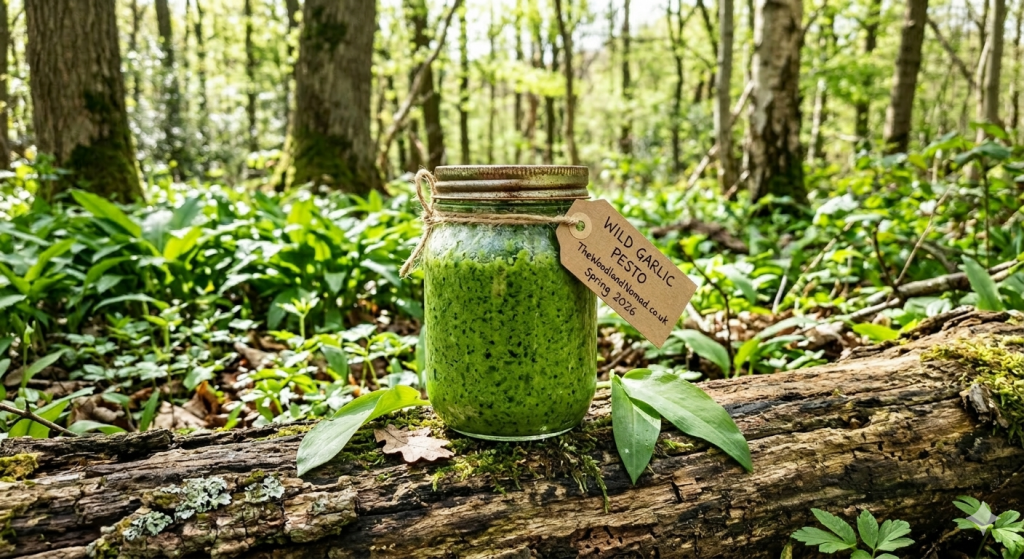
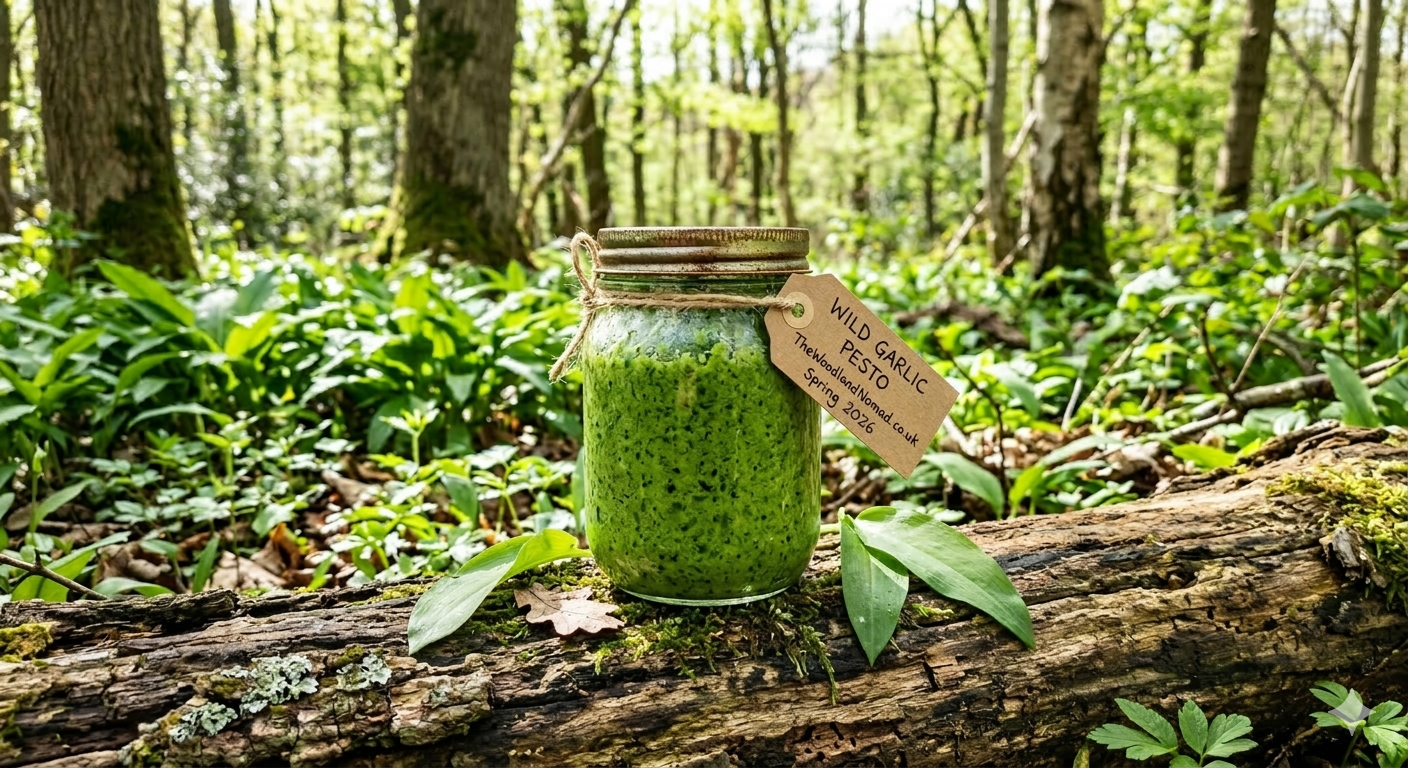
I absolutely love green pesto. It’s such a fresh and zingy way to flavour your favourite pasta. But why spend money on basil that has air miles from Spain/Morocco when you can walk out into the woods and find a wonderfully potent and rich alternative. Let’s get stuck in and make a delicious jar of pesto made with foraged Wild Garlic.
Ingredients:
- 150g (About two large handfuls) Fresh Wild Garlic Leaves: Thoroughly washed (stems are fine to include). It is crucial that these are patted dry before processing.
- 75g Grated Parmesan or your favourite hard cheese: (Or use a vegetarian/vegan alternative).
- 50g Nuts: Walnuts, Hazelnuts are my preferred “woodland” choice, as they offer a deep, earthy texture that compliments the garlic. Pine nuts are classic but are rather expensive.
- 150ml Extra Virgin Olive Oil: Good quality oil is important here.
- ½ Lemon: Juiced. This sharpens the pesto and adds another level of freshness.
- Sea Salt & Black Pepper: To taste.
Instructions:
- Toast the Nuts: Toss your chosen nuts in a dry pan over medium heat for 2–3 minutes. Shake the pan frequently until they are golden brown and smell fragrant. Watch them closely—they can burn quickly! Remove from the heat and allow to cool.
- Blitz the Ingredients: Place the clean, dry wild garlic leaves, the cooled toasted nuts, and the grated cheese into a food processor. Pulse several times until the mixture is coarsely chopped. (If you’re working without electricity, you can do this step with a pestle and mortar)
- Emulsify: With the motor running on low, slowly drizzle the olive oil into the mix until you reach a smooth, creamy consistency. Don’t over-process; you want the pesto to still have a little texture.
- Season & Store: Stir in the lemon juice, salt, and pepper. Taste it—it should be savory, nutty, and vibrant. Transfer the pesto to a sterilized jar and store in the fridge.
Storage Tip:
This will keep in the fridge for about two weeks, provided you keep it sealed. To extend its life, top the jar with a thin layer of olive oil after every use. This creates an airtight seal that prevents oxygen from browning the leaves.
How to Use Your Wild Garlic Pesto
- Stir it into pasta (add a splash of the starchy pasta water to help emulsify the sauce).
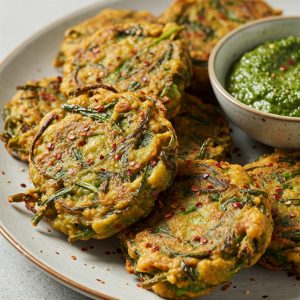
- Use it as a base for a “wild garlic butter” for steak or spread it on bread and place in the oven for some homemade wild garlic-bread.
- Swirl a spoonful into a potato soup to add some woody depth.
- Let me know how you use your pesto in the comments below, or tag me in your foraging photos on Instagram!
Looking for more images and tips?
You can find the foraging books I recommend on my Resources Page.